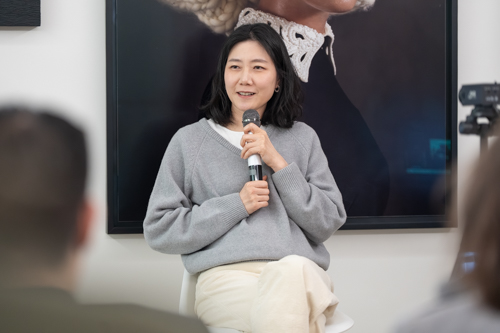
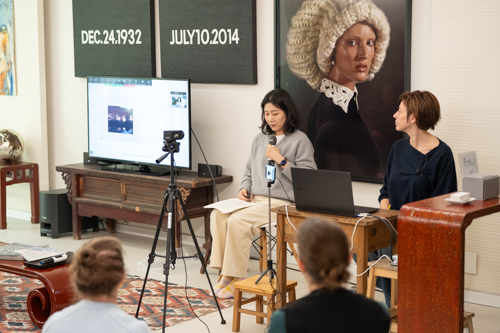
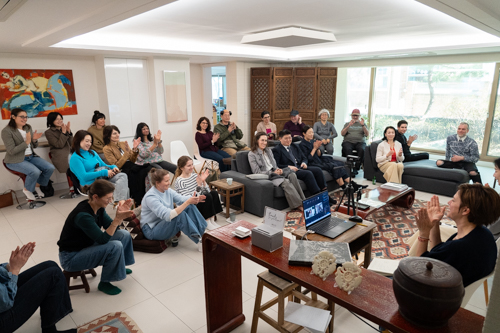
At the 106th ARTCaffè, Jiwon Kim traced her artistic journey from early conceptual influences in Germany to her recent series grand.grand.pa, a deeply personal exploration of family history intertwined with modern Korean history. Through archival materials, drawings, and manipulated photographs, she examines patriarchal structures, generational memory, and political polarization. By reversing images, layering conversations, and working with fragile materials, Kim challenges authority and invites viewers to reconsider how histories are constructed. Her talk revealed how micro-histories within families mirror macro-histories of nations, positioning art as a space to question inherited narratives and foster understanding across differences.
Below is a recap of The Talk.
***
Jiwon Kim: My artistic journey started in art school in Korea, where I dived into everything from design and crafts to installation and aesthetics. But I always felt this"thirst" for something more—a freedom to cross boundaries. That’s what led me to study in Germany.
About 20 years ago, I was fascinated by conceptual installations, performance, and video. I’ve always been drawn to artists like Joseph Beuys, Christian Boltanski, Louise Bourgeois, Sophie Calle, and Marina Abramović—artists who weave their personal lives into their work. I think that’s because, deep down, I’ve always wanted my art to start from my own lived experience.
I’ve been based in Seoul again since 2023, but the seeds for this most recent project were actually planted while I was still living in Germany. Having spent over a decade away from Korea, I was observing my home country through the media—neither fully an insider nor a complete outsider. Korean society was never truly "quiet," but during those years, deep cracks were forming between generations, regions, and genders. Polarization and hatred seemed to be intensifying. As we moved from traditional newspapers to online platforms, the way we consume news changed, but what hit me harder was the language of hate and slander in the comment sections.
The real "shattering" happened when I came home. Sitting at the dinner table with my parents, who are actively religious and conservative, the gap between us felt huge. The conflict I saw on the internet was mirrored in our own living room. I hated that political differences were causing arguments within my family. That’s why I felt I had to pursue this project—to step back, look at each other as objective individuals, and try to find a way to understand one another.
My series grand.grand.pa explores the lives of three generations of my family: my great-grandfather, my grandfather, and my father.
My father was born in Pyongyang as the eighth of eleven children. At the time, his grandfather—my great-grandfather—ran a school there, and my grandfather was his only son. My great-grandfather had left home during the Japanese colonial period to join the independence movement. Later, during the Korean War, the entire family fled south, eventually settling in Masan—the southernmost tip of the peninsula—where my father spent his youth.
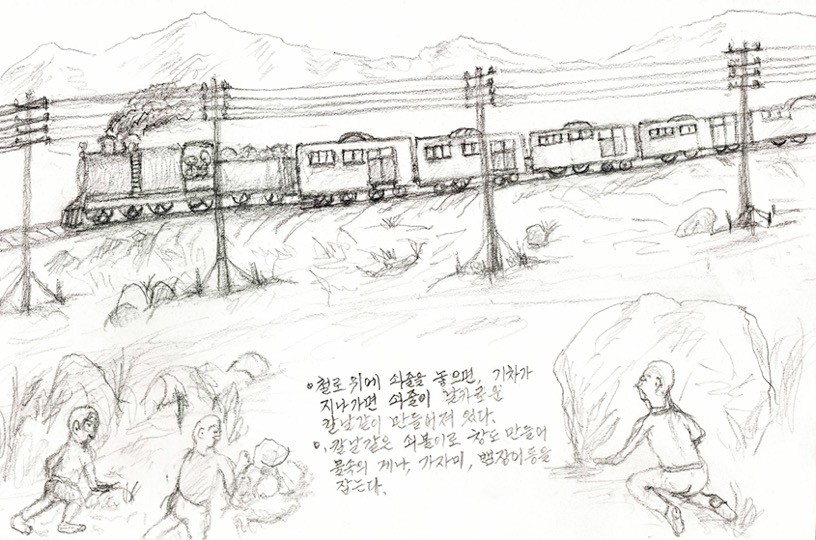
Since Pyongyang is a place I can never visit, and no photographs from that era remain, I asked my father to draw his memories for me.
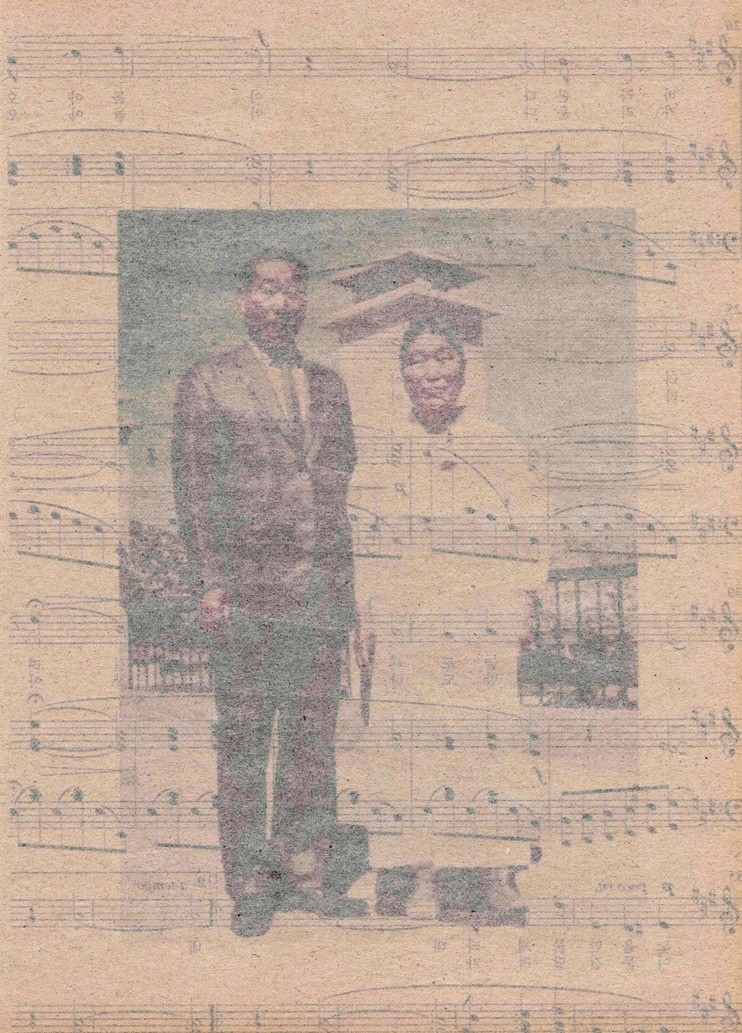
In this series, I intentionally centered the male patriarchs of my family, as I wanted to reflect the pervasive patriarchal structure of Korean society. But there’s also a more personal motivation: as the youngest female member of the family, I spent my childhood in silence, a passive listener to the conversations of men. Now, I’m taking their stories and flipping them on their heads.
To do this, I printed these images on very cheap, low-quality, thin recycled paper—the kind I used as a child—and then physically turned those images over. It’s my way of looking at their history from the back, challenging the narrative I was forced to quietly accept. While you can’t see the reversed images in detail, the faint ink bleeding through the thin paper creates a hazy, blurred effect. I really loved the sense of anonymity this produced, as it softens the stark authority of those portraits. I then used a typewriter to layer actual conversations with my father directly onto the paper.
My father’s generation lived through an era of rapid national reconstruction following the war. Like many others sent to the Middle East, my father was stationed in Saudi Arabia—infact, he was working there at the very moment I was born. By addressing a time in which I was absent, I intentionally narrate these stories from a perspective shifted away from the center of the events. It is a view from the margins, looking back at a history I did not witness, yet one that profoundly shaped my identity.
During his years abroad, he would send home letters, postcards, landscape sketches he drew himself, and even cassette tapes with his recorded voice. These archival fragments have become a vital part of this project. One particular discovery was a postcard sent during a business trip to Japan, in which he expressed sheer amazement at how advanced and modernized the country had become. It was a profound experience for me to witness this shift in perspective within a single lineage: from my great-grandfather, who dedicated his life to the anti-Japanese independence movement, to my father, who found himself in wonder at Japan’s new technologies.
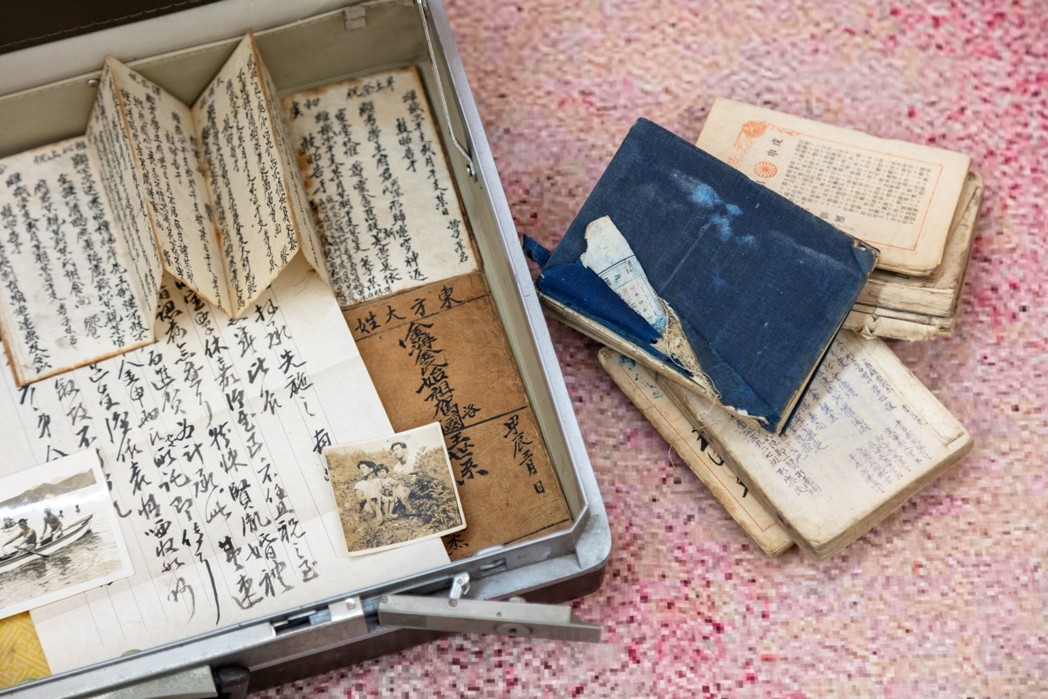
In my solo exhibition in 2025, I displayed items that are part of a vast collection of family records I discovered inside a Samsonite suitcase—a keepsake left behind by my uncle. I wanted to bring these physical fragments of our history into the gallery space.
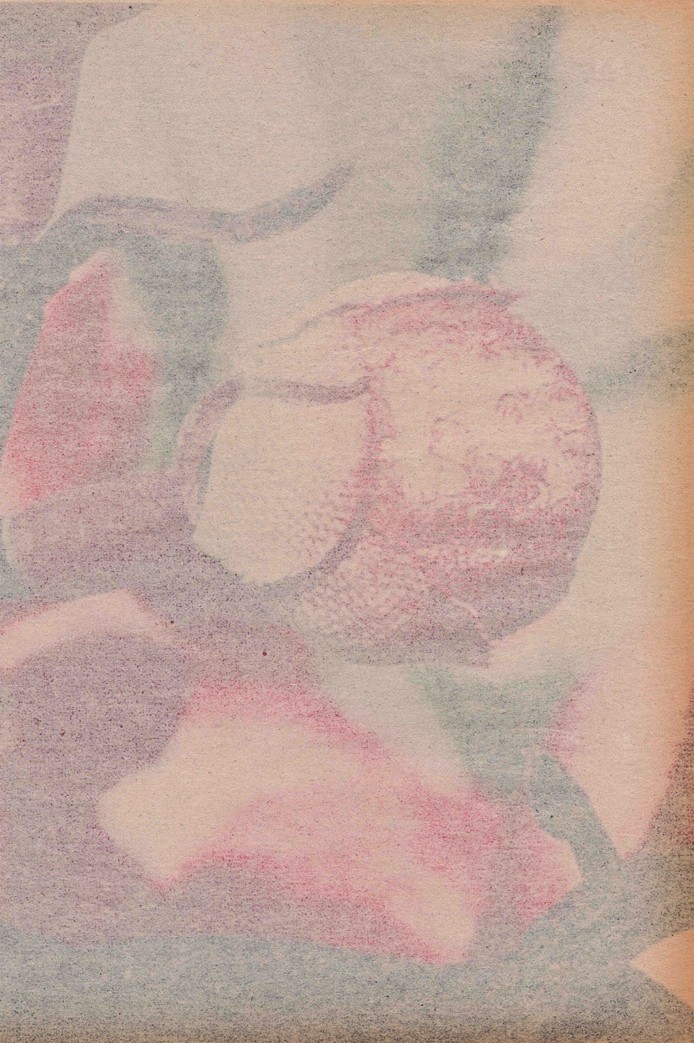
The only pictures in this entire series that I took myself are enlarged photographs I snapped during a visit to the Daejeon National Cemetery, where my great-grandfather is laid to rest. I focused on the artificial flowers placed at graves, capturing them in extreme detail. I chose to print these reversed images onto plywood rather than traditional photographic paper. Usually, photographers strive for prints that are strictly controlled, refined, and pristine. My intention, however, was quite the opposite. I wanted to create a sense of naturalness, where the organic patterns and grains of the wood are allowed to interfere with and even intrude upon the images. By letting the wood’s texture bleed into the photographs, I’m inviting an element of nature and unpredictability into the work.
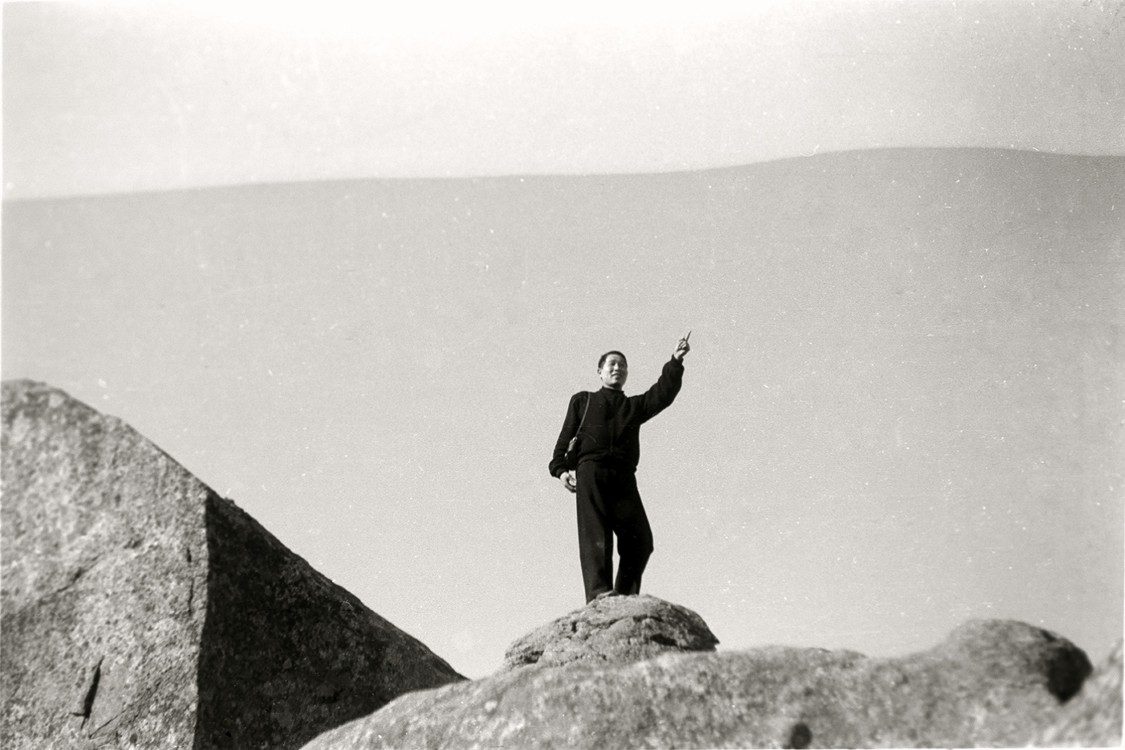
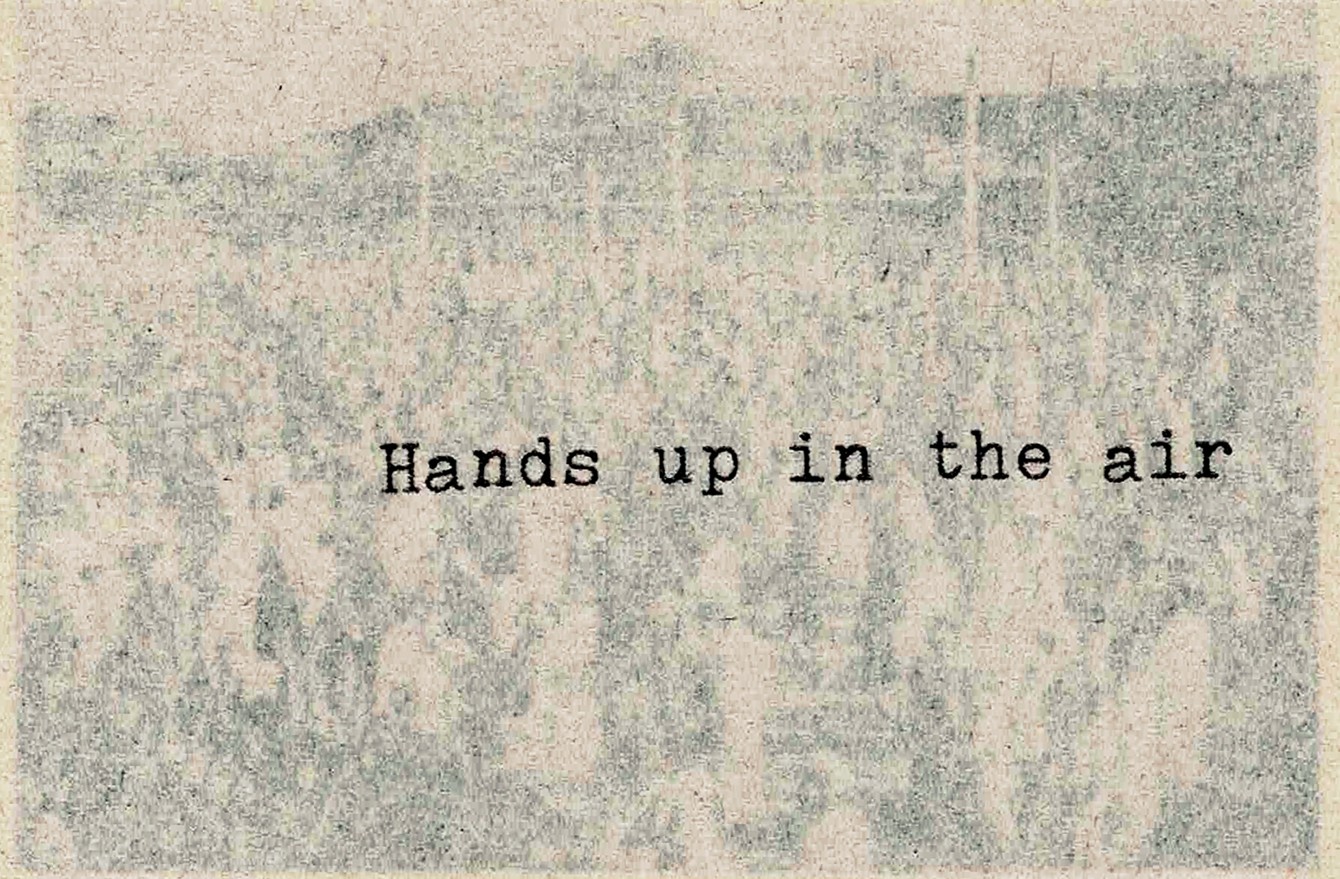
Through an online search of a library in the United States I found an archival record detailing the Koreanin dependence movement. It represents unarmed civilians participating in the "Manse" movement. What caught my eye in the caption of this photograph was the phrase "Hands up in the air."
The act of raising one's hands—the "Manse" gesture—has been reinterpreted across various contexts: from movements of resistance and moments of victory to the angry cries of citizens at impeachment rallies. I wanted to present these identical gestures in a parallel format, showing how the same physical act takes on entirely different meanings as generations and political climates change.
I didn’t want to stop at just telling my family’s history. Instead, I wove it together with the dynamic modern history of Korea—two narratives that are, in fact, completely inseparable. By merging these layers, I wanted to show how the macro-history of a country is mirrored in the micro-histories of its people.
Building on that, I began to focus on the flowers used as decorations during summits and high-level diplomatic meetings involving presidents and world leaders.
In my previous work at the National Cemetery, I explored the sense of alienation from artificial flowers—frozen histories that never fade. But at these summits, the flowers serve a different purpose: they are purely decorative and auxiliary, placed there merely to soften the rigid, hardened atmosphere of powerful men negotiating the fate of nations.
This secondary, "background" role of the flowers immediately reminded me of the position of women, who are often expected to remain silent and invisible within the domestic sphere. Because of this connection, I began collecting photographs of world leaders in which these delicate flowers are always relegated to the background.
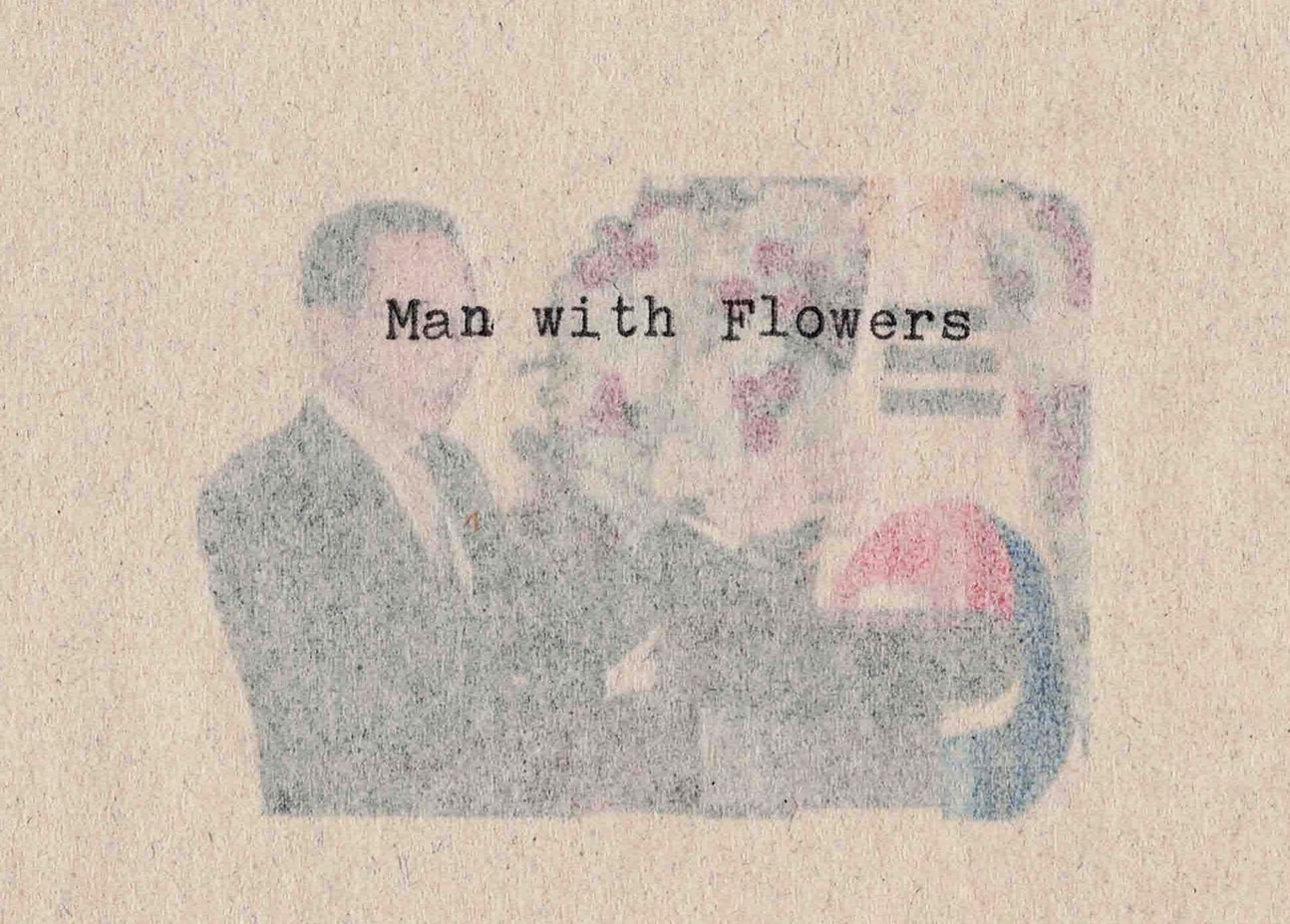
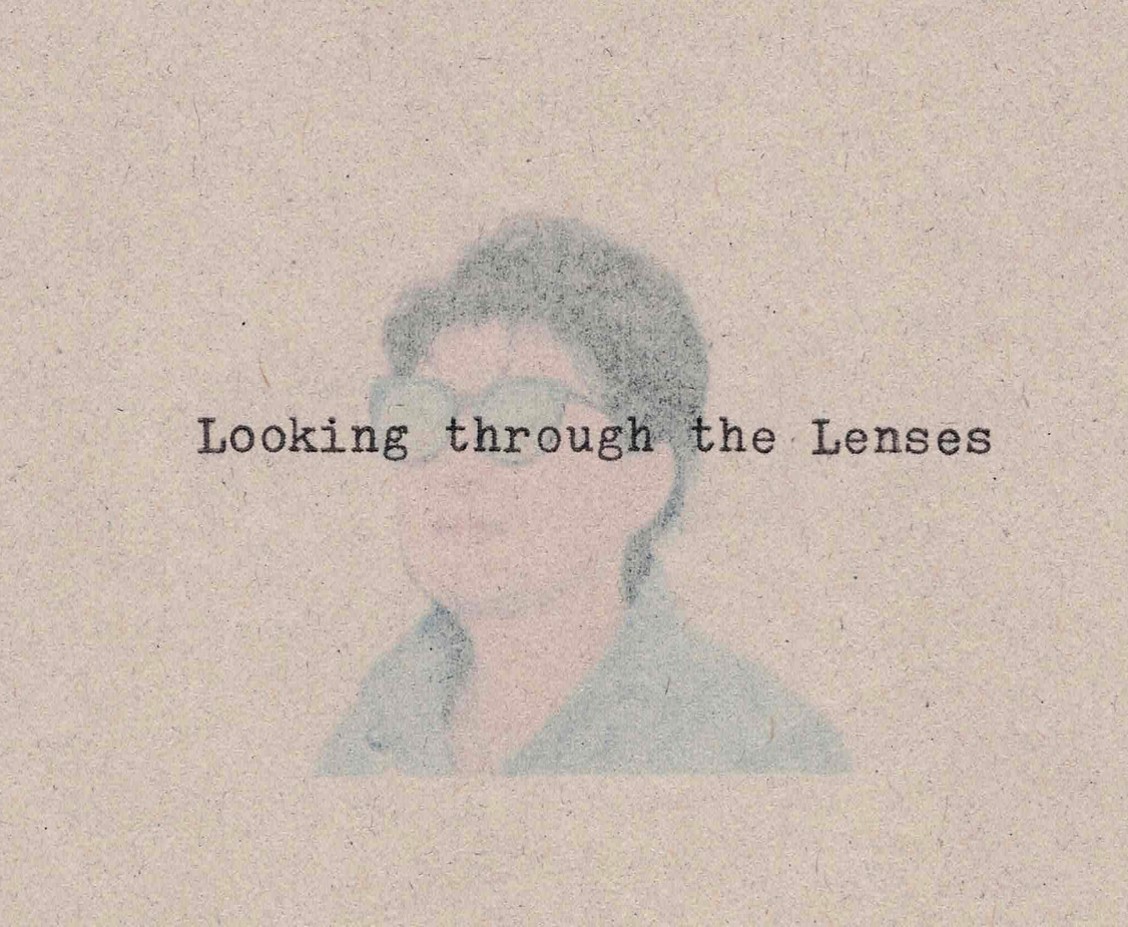
In Korea, we often use colors—like red or blue—as metaphors for political ideologies. These "colored lenses" represent the deep-seated prejudices and "color theory" through which we judge and categorize others. Furthermore, as a divided nation, South and North Korea exist in a constant, mutual cycle of surveillance, never ceasing to watch each other’s every move. And this is also true for the images we consume through the media; we only see what has been selectively captured and framed by a camera lens.
Whether it is the lens of ideology, the lens of a surveillance camera, or the lens of the media, with my “Looking through lenses” series I wanted to question how these filtered perspectives shape—and often distort—our shared reality. These images are projected randomly using a slide projector, appearing for a brief moment before vanishing into the darkness.
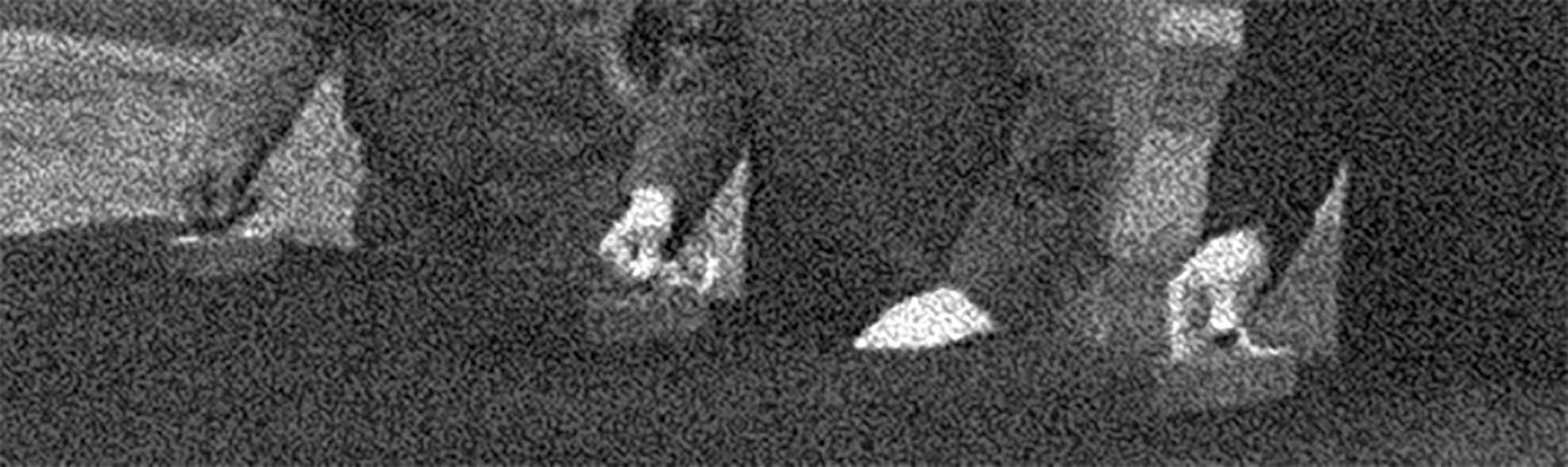
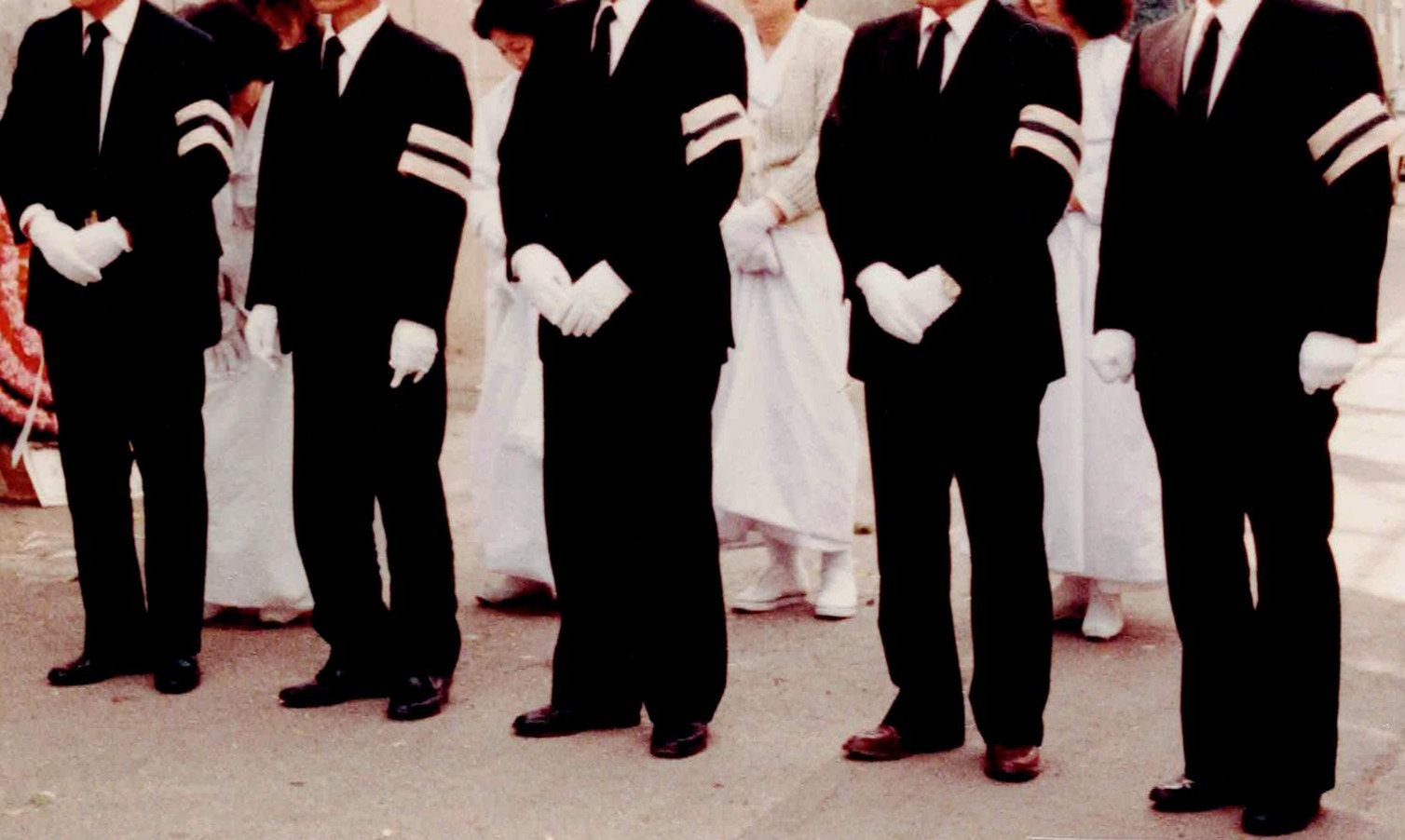
The image in “Pressing the button” is extracted from a photograph taken in 1970 at the groundbreaking ceremony of Pohang Iron & Steel (now POSCO). My uncle served as the vice president of this company, which holds massive symbolic importance in Korean industrial history.
In this image, I focused on the fingers of these men in uniforms and suits, poised just above the buttons. To me, these buttons represent a moment of absolute authority and approval—the power to initiate and command.
By enlarging this image until the pixels and grains become coarse and visible, I wanted to create a crack in the context of this seemingly solid image. It’s an attempt to break down the rigid authority of the past. To me, this scene also overlaps with the power struggles we witness in today’s international politics, where the simple act of pressing a button can still dictate the fate of many.
I returned to the family album once more, this time looking at photographs from my grandfather’s funeral. In Korea, it is normal to send large standing funeral wreaths. These wreaths are deeply symbolic, as they prominently display the sender’s company name and professional title—making the funeral a space where social and political statusis clearly manifested.
In these photos, I saw names that represented the peak of Korean economic and political power at the time. It was a grand "certification" of status. What struck me again was that the list of names consisted entirely of men. The flowers were used as a grand, confident medium for men to bid farewell to other men.
I wove these images of funeral wreaths into a video, accompanied by a song titled "Geurium," which translates to a deep yearning or nostalgia. This recording from the 1980s features my father singing, accompanied by my sister on the piano. My father was a gifted singer as a child and dreamed of becoming a vocalist, but he had to abandon that dream to fulfill his role in society. And here again, my sister remains in the background, playing the role of the unseen supporter.
In weaving together these complex layers of work, I found myself constantly moving between personal emotions and the broader currents of society. My goal was not to provide a single, definitive answer. Instead, it was a time for me to look at our histories from every possible angle—to look at them straight on, to flip them over, and to truly try to understand the different positions we all occupy.
The real "shattering" happened when I came home. The conflict I saw on the internet was mirrored in our own living room. I hated that political differences were causing arguments within my family. That’s why I felt I had to pursue this project—to step back, look at each other as objective individuals, and try to find a way to understand one another.
I didn’t want to stop at just telling my family’s history. Instead, I wove it together with the dynamic modern history of Korea—two narratives that are, in fact, completely inseparable. By merging these layers, I wanted to show how the macro-history of a country is mirrored in the micro-histories of its people.
All the pictures from The Talk's presentation are courtesy of the artist.
Thanks to those who joined in person and online, to the many connecting nodes who actively helped spread the word about this event, and to the ARTCaffè Brewing Committee!