At the 108th ARTCaffè, Alan Burles shares a personal and deeply human reflection on photography and everyday life. Through stories behind his images, Burles explores his idea of “listening with my eyes”: a way of moving through the world with openness, curiosity, and wonder. Influenced by photographers such as Elliott Erwitt, his work finds humour, poetry, and unexpected beauty in ordinary moments. More than a talk about photography, it is an invitation to slow down, notice things, and remain available to life’s small miracles.
Below is a recap of The Talk.
***
Alan Burles: My first job in advertising was at Saatchi & Saatchi, which was an extraordinary place to begin a career: full of brilliant, dynamic people. Early on, the head art director encouraged me to spend time in the art-buying department, studying photographers’ portfolios so I could better understand the visual language behind the campaigns we were creating.
At that stage I wasn’t a photographer myself — I was making advertisements. But it was there, among those portfolios, that I discovered Elliott Erwitt.
What I admired most about him was that he never pursued fame through war, famine, or violence, as so many photographers have done. Instead, he looked at the world with intelligence, tenderness, wit, and humour.
Raffaella spoke earlier about finding the extraordinary in the ordinary, and Erwitt embodied that perfectly. Most people would walk past a simple scene — two elderly people sitting in deck chairs — without a second thought. Erwitt saw possibility in it. He saw humour.
I’ve often wondered what he noticed first: the apparently ordinary scene, or the strange visual joke that suddenly transforms it, making it seem as though the couple have been launched out of their seats. In the end, it doesn’t really matter. What matters is the delight of it — the way he could take something completely ordinary and make it wonderfully funny.
Discovering his work led me toward many other photographers — Cartier-Bresson, Robert Frank, Tony Ray-Jones, Chris Killip, Homer Sykes, Martin Parr, Southam. It opened up the idea that photography could simply be a way of moving through the world with curiosity: carrying a camera in your pocket and remaining open to whatever life presents.
Looking back now, I realise I was taking photographs even when I was eleven years old. For years, though, all my photographs simply existed as packets of prints and strips of negatives sitting around untouched. I didn’t have a darkroom, so after taking the pictures, I more or less did nothing with them.
Then digital photography arrived, and suddenly everything changed. I could scan images, build a website, enter competitions, and finally begin sharing the work publicly — often twenty years after I had actually taken the photographs.
At some point, a Chinese magazine called PPaper got in touch by email asking if they could publish a feature on my work. I was enormously flattered and very happily agreed.
They published a selection of my early photographs — a selection I thought was beautifully chosen — alongside a long accompanying article. The only slight difficulty was that—being in Mandarin— I had absolutely no idea what the text said.
About ten years later, a friend from my Saatchi days helped me solve the mystery with a translation. One sentence in particular completely stayed with me because it captured something essential about the way I see photography: “Sometimes it needs you to just enjoy his work. Sometimes it requires your eyes to listen to the jokes it’s telling you.”
I found that such a beautiful description. It completely swept me away.
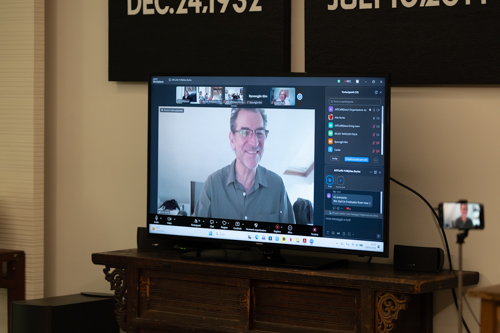
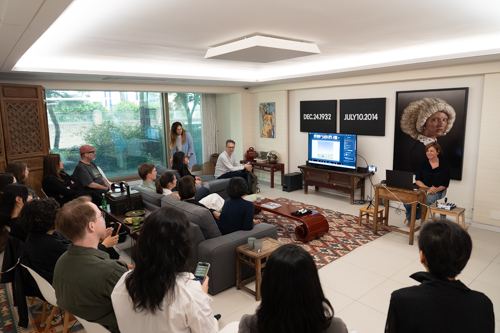
So, I called the way I work Listening With My Eyes.
It’s about a kind of passivity — about not grasping for things, but simply living my life, walking around, always with a camera on me. And when life gifts me something —which it does, all the time, for all of us — all I really have to do is lift the camera and click. That’s how I think about photography.
When I asked Raffaella what she particularly liked about my work, she said she loved the way I grouped images on Instagram. I think that probably comes from my background in advertising, where you’re given a product or an idea, and you try to find different visual ways of expressing the same point.
On Instagram, I tend to work in small visual series. I choose a title — sometimes just a single word or subject — and then I gather around ten photographs that all approach that idea in different ways.
The idea with my photography is that you don’t need the backstory. You just see the image, and hopefully something clicks for you. But today I’ll share some of the backstories as well. [Editor’s note: for the full backstories, please refer to the recordings.]
Here are some of those series.
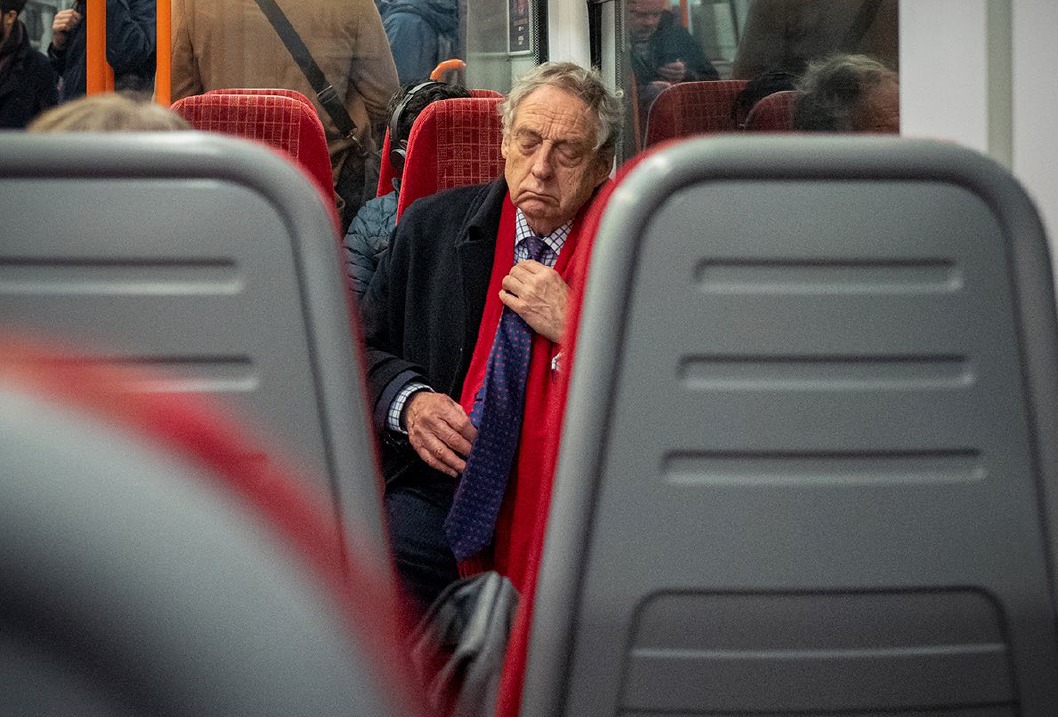
Human is simply about humans being humans.
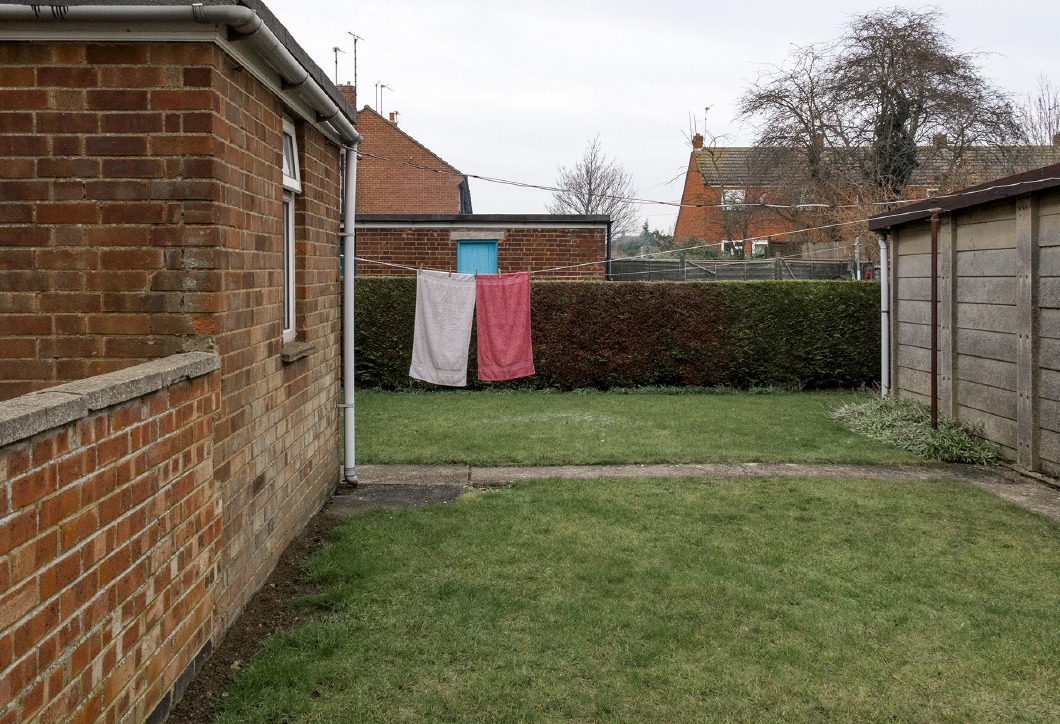
Then there’s Suburbia. We all know the city centre — full of energy, bars, lights, and neon. But suburbia, to me, is full of weird and wonderful things.
And Hands—we live with our hands constantly in front of us, and yet we completely take them for granted.
In general, I try to avoid street-photography clichés — the heavy black shadows, the obvious poster juxtapositions, all those things that appear again and again. If you look at street photography on Instagram now, so much of it feels visually identical.
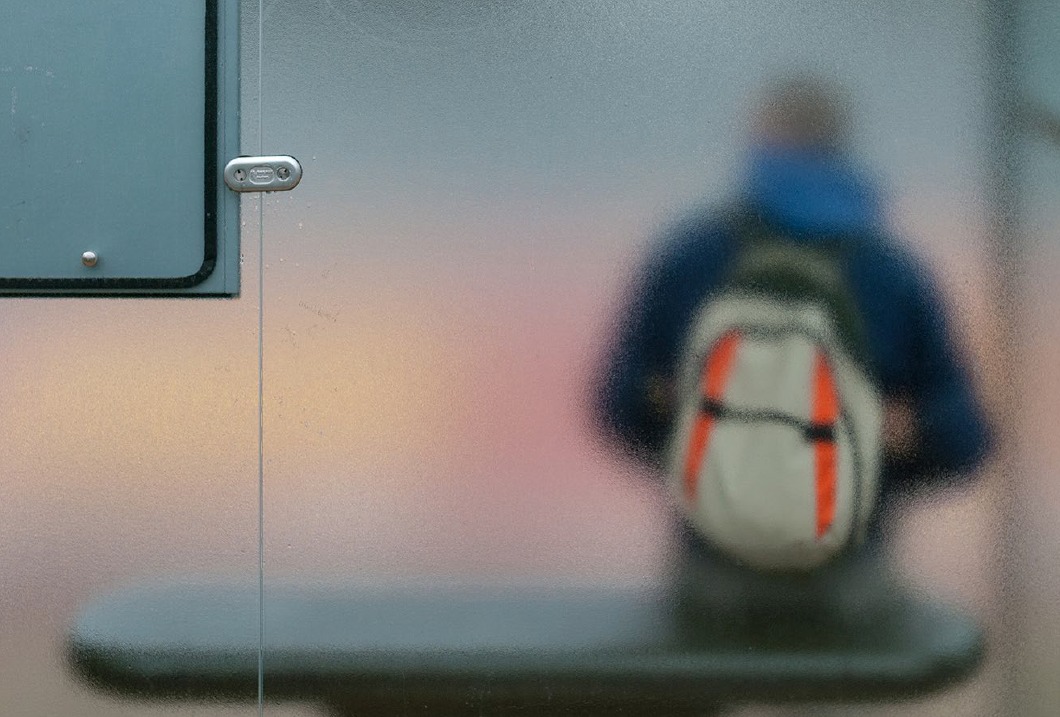
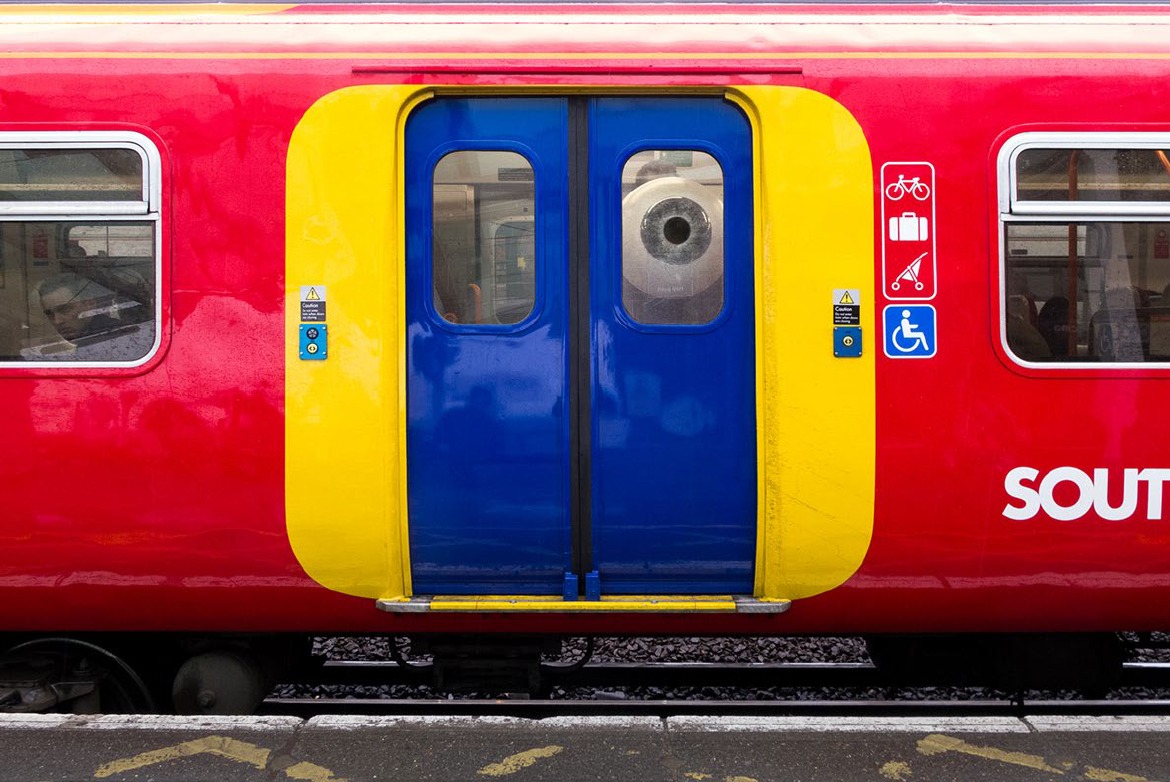
Frosted glass belongs to that world, but I’ve always had a soft spot for it because it takes the edge off the ordinary world and gives it something slightly magical. So, I started building a series of frosted-glass photographs that I hoped approached the subject in a different way.
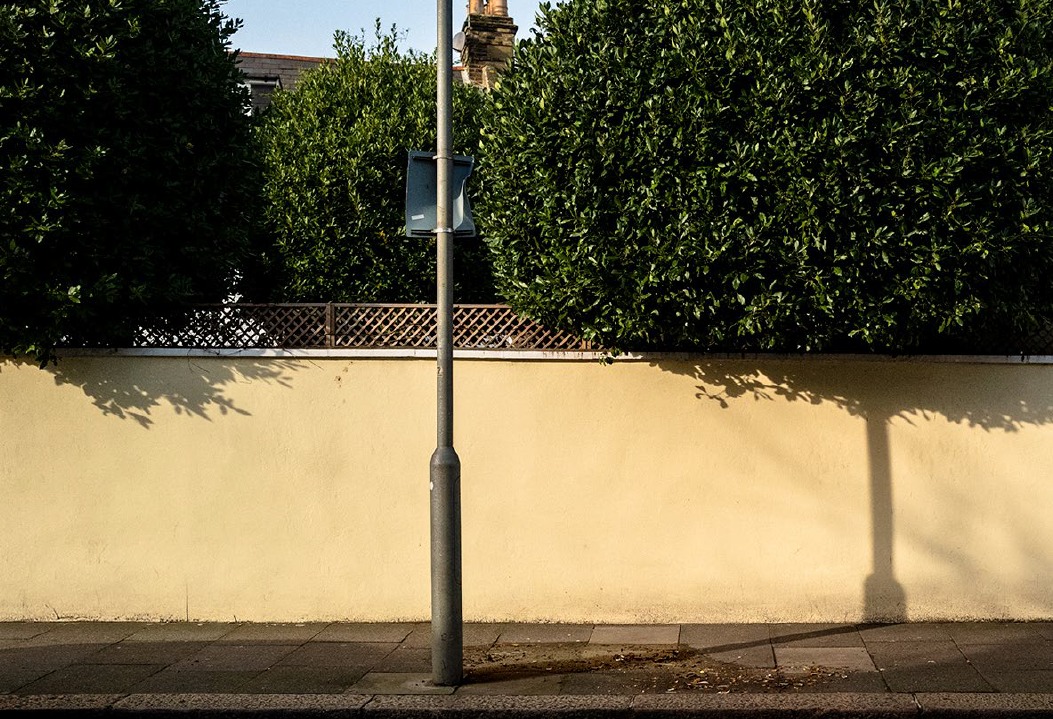
Then there’s Shadows. I love it when a photograph exists close to home because we become so accustomed to our surroundings that we stop really looking at them. One image came from a street just near my house: two trees standing behind a wall, and a street lamp that, when the sun hit it at a certain angle, suddenly appeared to become the trunk of one of the trees. It made me smile every single time I passed it.
The tree has since been cut down by the hotel owner, which is a reminder that you have to take the photograph when you can — because things disappear.
I also love photographs that make your eyes dance.
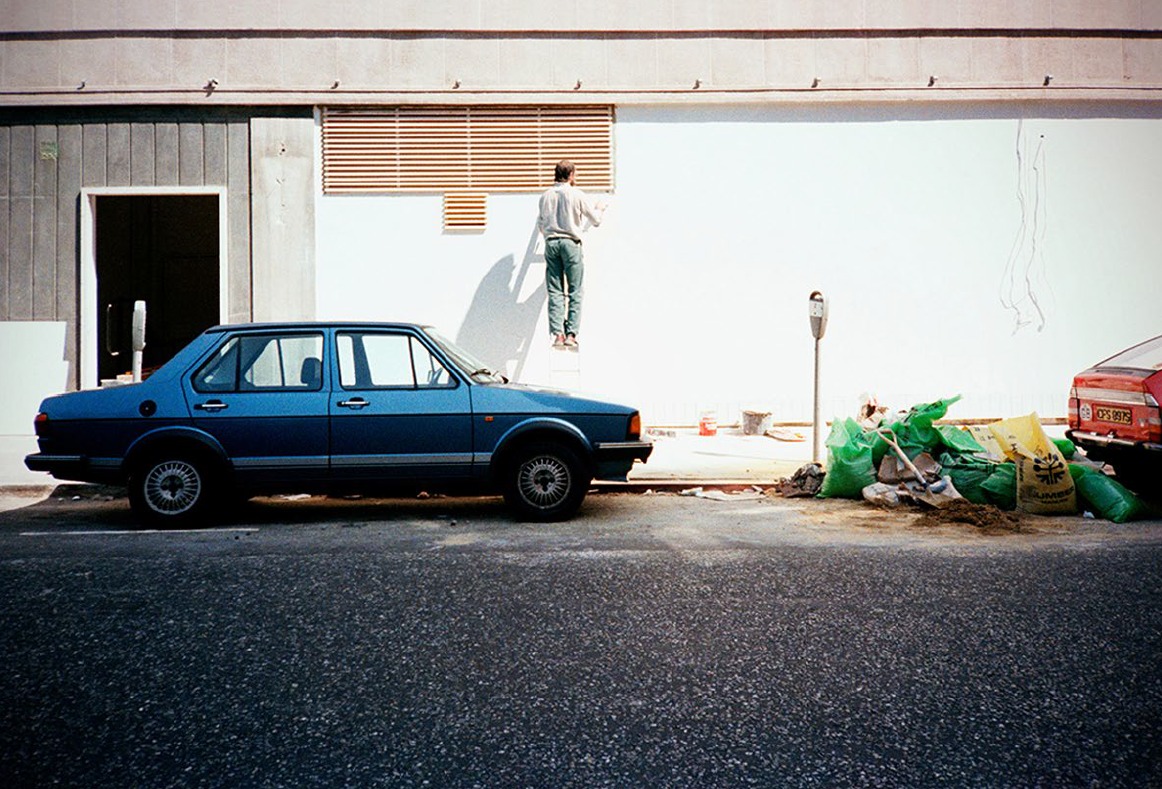
In the Shadows series, there’s one image that isn’t actually a shadow at all. I enjoy creating that kind of visual uncertainty — moments that slightly destabilize what we think we’re seeing. At first glance, the image looks like a shadow because the forms seem to mirror each other. But then you realize it’s actually roadworks. I like photographs that require a second look before the image reveals itself.
Which brings me to a line written in 1747: “Lost in wonder, love, and praise.”
I’ve always loved it deeply, and I think this phrase explains a great deal about the way I work, and a beautiful way of approaching life. To me, there is no greater state than being lost in wonder, because being lost means surrendering control, and accepting that we do not fully understand the world around us.
If you think about it — why are we conscious at all? What is this awareness? How are we able to perceive the world in the first place?
To me, that already feels miraculous.
In the 1990s, I followed the work of a philosopher named John Klein. One idea of his stayed with me: he spoke about how certain things in life cannot be forced. As teenagers, we might fall in love with someone and chase after them, but love cannot simply be achieved through effort. It has to be reciprocated. As he put it, we can only “be available for it.”
And that idea became important to me photographically as well.
Walking through the world, simply being in love with life and attentive to it, is a way of being available. Then, when life suddenly presents a photograph, all I have to do is click.
Of course, most of these moments fail. Many of the photographs are terrible. But every now and then, one or two come through.
Another line that has always stayed with me is: “Love, and do what you will.”The idea behind it is that love shapes and tempers whatever it is you choose to do. I adapted the phrase in my own way and turned it into: “Love and carry a camera.”
Because, quite simply, carrying a camera has brought me an enormous amount of joy.
I then moved onto a slightly different kind of image — photographs that feel more connected to this idea of “listening with my eyes.” Other people might call them landscapes, but I’ve never been completely comfortable with that term, so I call them “lifescapes.”
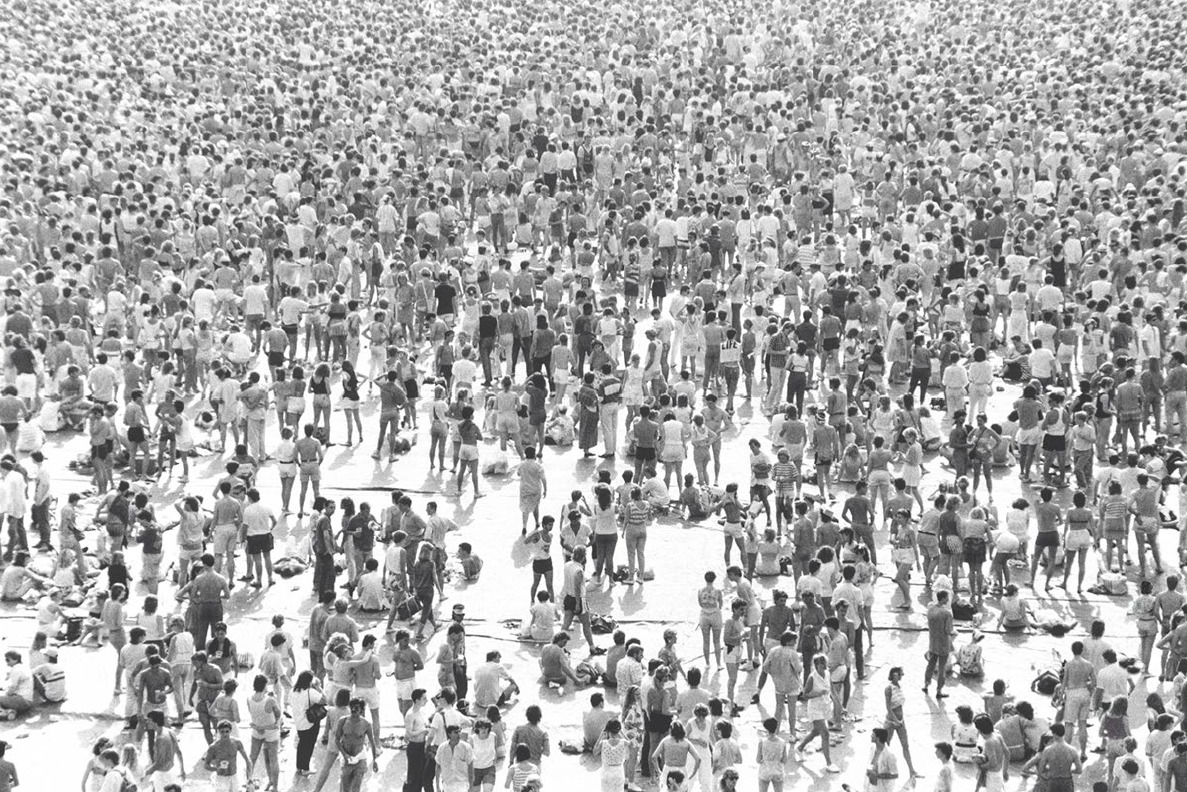
This photograph originally existed only as a tiny print tucked away in a packet. It was taken at Wham!’s final concert, and for years it was just one among hundreds of negatives and contact prints I barely looked at.
Before digital photography, all these images simply sat in boxes. But once I was able to scan them in and enlarge them properly, I suddenly realised that some of them contained things I had never noticed before. Looking at this image on a screen, I thought: actually, I think there’s a photograph here.
And when I enlarged it, I noticed a single word hidden inside the scene. The photograph was taken at Wembley, on a glorious sunny day. The crowd looks almost like a beach — you can practically feel the warmth of it.
Then, in the middle of the image, I spotted a T-shirt with one word written across the back: “Life.”
I don’t often title my photographs, but this one had to be called Life. It felt like the perfect word for that image.
A little story about these two photographs.
In Hong Kong, everyone goes to see the lights. We were standing across the water with all the other photographers waiting to photograph the skyline, and I remember thinking: honestly, I could probably get a better picture of those lights from a stock library than anything I was about to take myself.
But then the weather changed. The gloom came down, along with mist and soft rain, and suddenly the neon signs started glowing through the haze. And while everyone else was still waiting for the “main event,” I found myself thinking, well, this is now different — what can I see here?
That’s very much how I work. I’m always looking for the unexpected shift, the thing that changes the ordinary into something else. While everyone else waited for the postcard version of Hong Kong, I took this photograph instead. And I think there’s something fairly magical about it.
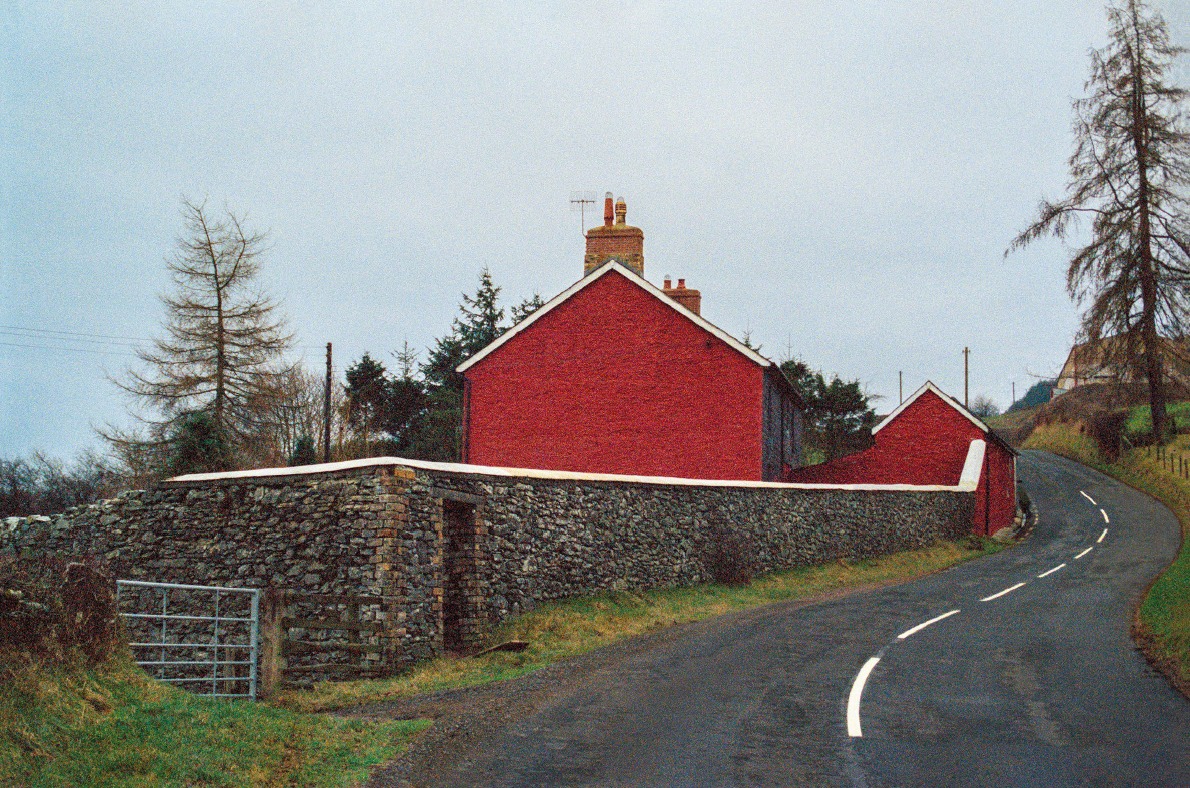
The second image is a house on the road to a beach in Wales. I drove past it for ten years, always thinking, I must stop and photograph that, but somehow, I never did. Then one day I was finally on my own, so I stopped the car and took the picture.
What I love most is the road marking. Whoever painted that line deserves to sign the wall because the curve is so beautiful. I love the contrast between that elegants weep and the hard geometry of the building around it.
A couple of years later, I looked the place up on Google Maps and it had completely changed. It no longer looked anything like this.
So I always remind myself: you must take the photograph, because things change.
[Editor’snote: for more examples, please refer to the recordings.]
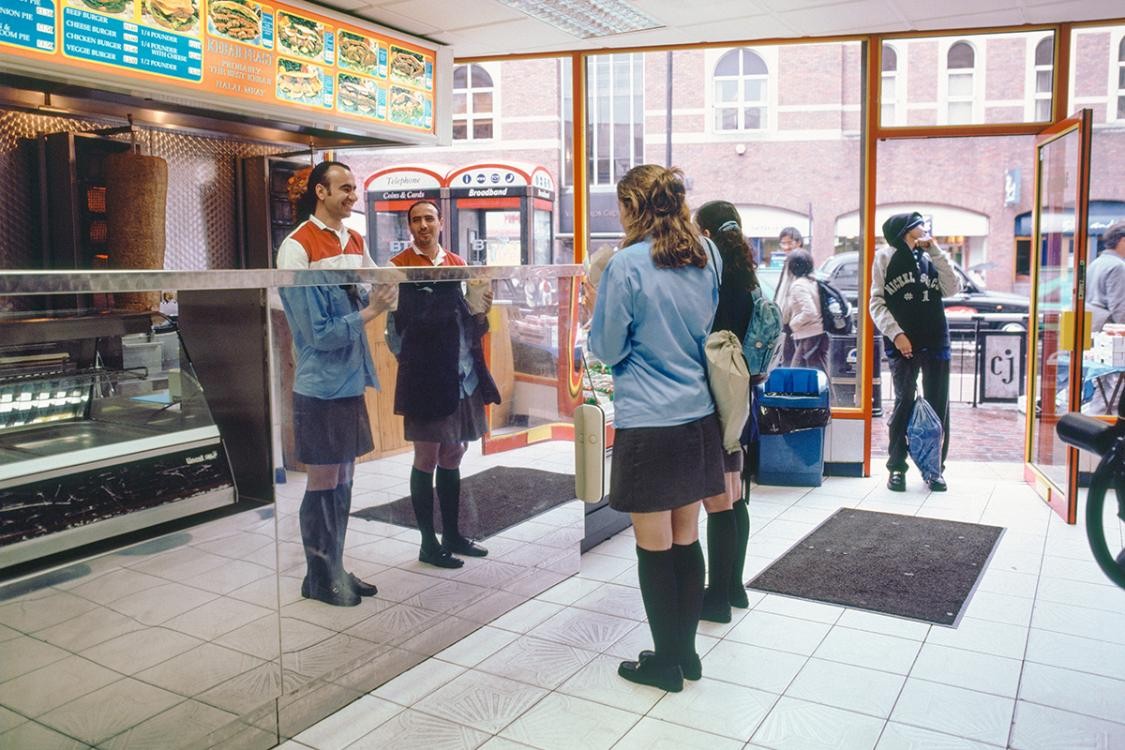
One last backstory about the photograph used in the advertising for this talk.
I had gone into this shop one evening and noticed all these reflections in the glass. It was too crowded to photograph properly, so I decided to come back the next afternoon.
When I returned, I asked the staff if I could stand in the corner for a while. They looked at me slightly strangely, but said yes.
I already knew I would get interesting reflections in the glass, but what happened next was completely unexpected. I’m a great believer in the unknown — in photography, the best things are often the ones you never planned for.
Suddenly the schools finished for the day, and groups of teenagers started coming in.
What I love about the photograph is that nobody is posing. It’s simply real life unfolding naturally in front of the camera.
I’d like to end with a few lines from an article about my work that was written in 2008 for PPaper magazine, that I mentioned at the beginning of today’s talk. Reading it now, it feels as though the writer somehow understood exactly how I see the world and how I work. I’ve always felt that it captures the spirit of my photography remarkably well.
"You only have to appreciate his works with heart. If you look closely at each photo, you will find it with a quite serious vibe. But it also brings you a sense of humour and makes you laugh. It seems to prevent us taking this world too seriously, or it’s teaching us how to view the reality in a special way. (...) Perhaps Alan Burles doesn’t care much whether he’s remembered but he does care that more people see his works everyday and therefore realise there are more interesting things in this world."
And I’d like toclose my talk with this final sentence: “There is no answer. Seek it lovingly. Enjoy the world.”
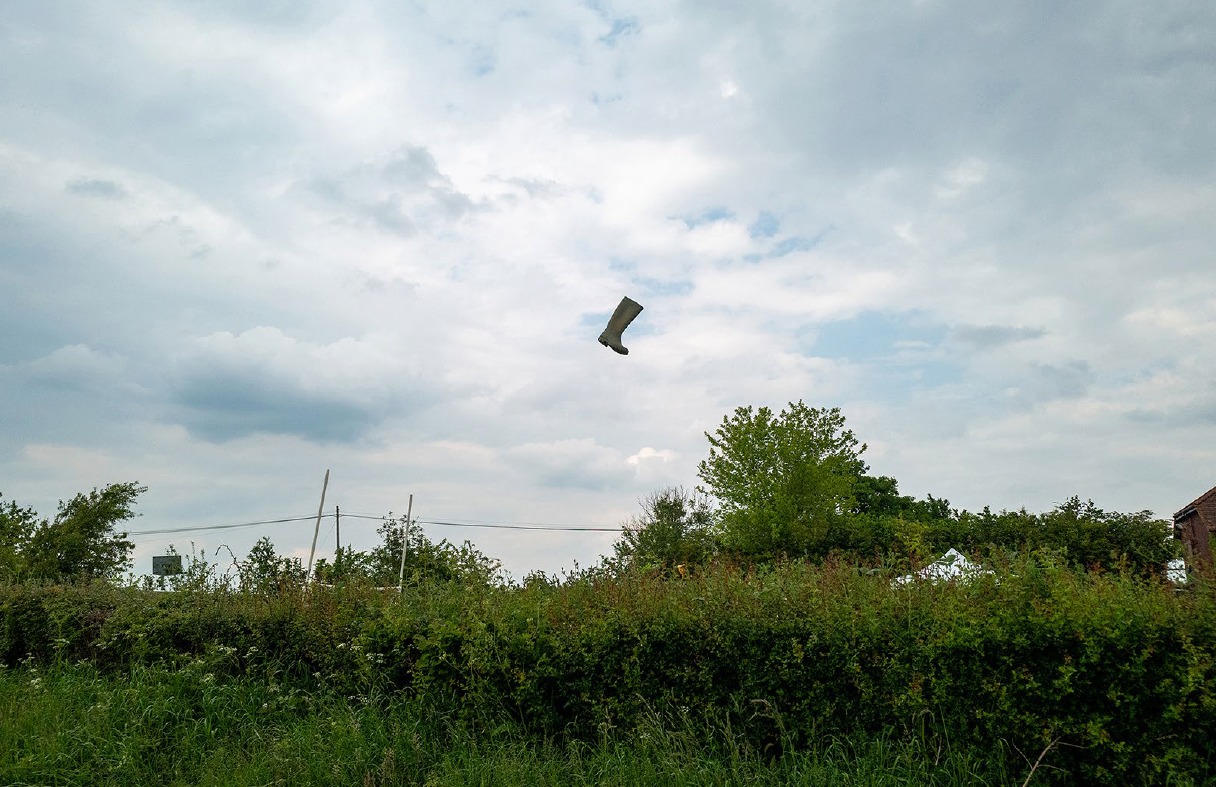
"Walking through the world, simply being in love with life and attentive to it, is a way of being available. Then, when life suddenly presents a photograph, all I have to do is click."
All the pictures from The Talk's presentation are courtesy of the artist.
Thanks to those who joined in person and online; to the many connecting nodes who actively helped spread the word about this event; to Belesì, who connected with an audience; and to the ARTCaffè Brewing Committee!